
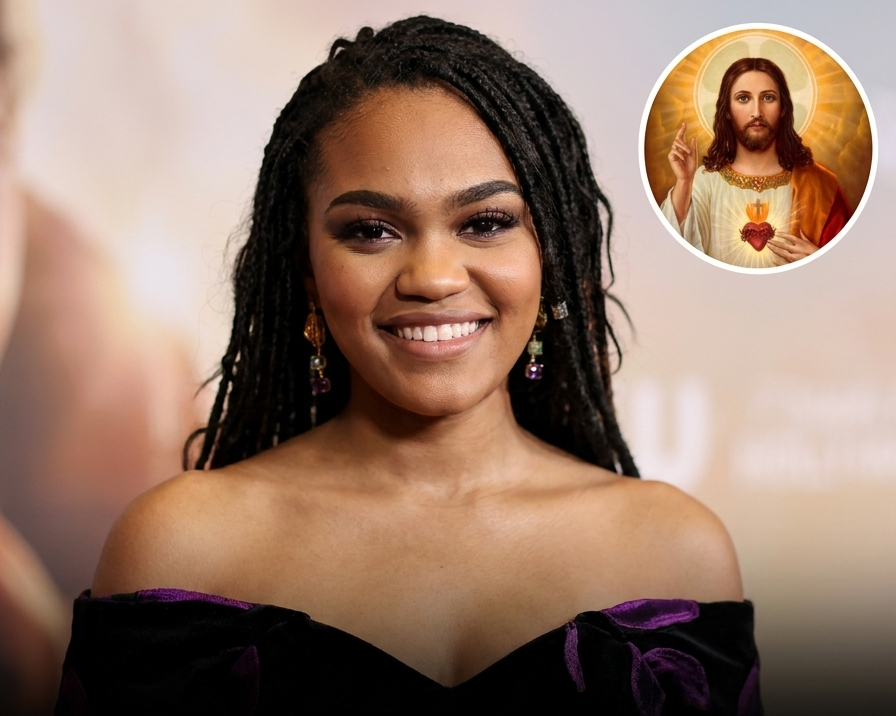
Former Disney-associated performer Dana Vaughns has stepped away from secular music and the expectations that often come with Hollywood visibility, choosing instead to build his public work around Christian faith. Recent Christian-media reporting says Vaughns removed his secular songs from streaming platforms on Feb. 11 and now has only faith-centered music available.
The shift marks more than a change in sound. Vaughns has framed it as a spiritual turning point, presenting his transition as the result of conviction rather than career strategy. His current release, “Have Your Way,” has become a centerpiece of that new direction, tied to a life reorganized around Christ and away from the pressures that often define the entertainment world.
Vaughns’ move fits a familiar pattern in Christian entertainment, where artists who once worked inside mainstream systems later speak of a growing tension between public success and private belief. In this case, the change has taken on added weight because of his Disney background, which placed him in a setting closely associated with youth stardom, polished branding, and constant audience attention.
His new posture points in another direction. Instead of chasing the kind of image management that often governs young entertainers, Vaughns has made faith the center of his identity as an artist. That matters in an industry where image is rarely separated from livelihood, and where leaving a secular catalog behind can mean surrendering one kind of visibility in hopes of gaining another kind of peace.
From Entertainment Success To Faith-Based Focus
Vaughns first entered public life through Disney-connected entertainment and later worked in music, a path that often brings early recognition but also heavy pressure. For many child and teen performers, the transition into adulthood becomes the hardest part of the journey, because the industry tends to reward reinvention while demanding constant relevance. Vaughns’ latest move suggests a break from that cycle.
Christian coverage of his decision has emphasized that he appears to have made the change intentionally and publicly. By deleting his secular tracks from major platforms, he has signaled that the old phase of his career is not simply on pause. It has been deliberately left behind.
That kind of decision carries spiritual and practical consequences. In a market driven by algorithms, playlists, and branding, removing a catalog can cut off momentum. But it also gives a clearer picture of what the artist wants his platform to represent. Vaughns now presents his work as testimony first and entertainment second.
His song “Have Your Way” reflects that emphasis. The title itself suggests surrender, a theme that runs deep in Christian teaching and devotion. Romans 12:1 describes offering one’s life as a “living sacrifice,” and Vaughns’ public shift appears to echo that idea in an artistic setting.
Hollywood Pressure And A Different Measure Of Success
The entertainment industry has long rewarded polished self-presentation, especially for younger performers who grow up inside it. Success often comes with expectations about image, influence, and marketability, leaving little room for overt spiritual conviction when it does not fit the brand. Vaughns now seems to be rejecting that framework.
Recent Christian discussion around his faith has also focused on the contrast between Hollywood’s definition of success and the Christian understanding of purpose. One is built around attention and momentum. The other is built around obedience, endurance, and trust. For believers watching from outside the industry, that distinction lands with force.
Vaughns has also become part of a broader cultural conversation among Christian audiences who are attentive to entertainers speaking openly about faith. Some see these moments as encouraging signs that public figures are no longer hiding their convictions. Others see them as reminders of how costly it can be to live openly for Christ in spaces that reward compromise.
Still, the significance here is not only symbolic. When a performer removes secular music and centers Christian work, it changes the content reaching listeners. It also changes the message behind the platform. Vaughns’ catalog now points toward worship, testimony, and dependence on God rather than toward the performance expectations of mainstream fame.
A Familiar Story In A New Generation
Vaughns’ decision also resonates because it comes at a time when Christian audiences are paying close attention to younger public figures who speak about turning from old patterns toward spiritual conviction. Many believers are familiar with stories of artists who discover that success does not settle the deeper questions of identity, peace, or calling. Psalm 139 gives that search a different frame, reminding readers that life is known and formed by God, not by public approval.
China Anne McClain, another former Disney star, has drawn similar attention in recent years for speaking about faith and putting Jesus first in life. That kind of testimony does not erase the realities of the entertainment world, but it does show how some artists are rethinking the meaning of influence. For Christian readers, the pattern is easy to recognize. It is the long-standing tension between conformity and transformation that Romans 12:2 places at the center of discipleship.
In Vaughns’ case, the change appears especially tied to personal surrender. Rather than presenting faith as one part of a larger brand strategy, he has cast it as the defining reality behind his work. That is no small thing. For a young entertainer, choosing Christ over industry expectations can mean walking away from opportunities that once seemed essential.
It can also open new doors within Christian music and testimony-driven media, where audiences often respond to authenticity more than polish. Faith-based listeners tend to notice when an artist’s public life and creative output move in the same direction. Vaughns’ current work suggests he is trying to live with that kind of consistency.
The Public Witness Behind The Music
The broader significance of Vaughns’ transition lies in the witness it offers about identity. Christian faith has always insisted that a person is not finally defined by success, image, or industry status. Colossians 3:3 says, “For you have died, and your life is hidden with Christ in God,” and that theme seems to sit beneath Vaughns’ present course.
His decision to remove secular songs from streaming services gives that belief visible form. In a digital age, where old work never really disappears, such a move sends a direct message about allegiance. It also tells fans that the new music is not an extension of the old brand, but a different chapter altogether.
That kind of clarity can be rare in entertainment. More often, public figures speak in broad terms about growth while keeping every part of their catalog intact. Vaughns has chosen a harder path, one that narrows his offering in order to sharpen its purpose. For Christian audiences, that feels less like a marketing tactic and more like repentance in public view.
As his music enters this new phase, the story around him will likely continue to reflect a larger hunger among believers for examples of lives reordered by faith. And for many watching, the most important detail is not what he left behind, but what he has chosen to build now, one song and one act of surrender at a time.