
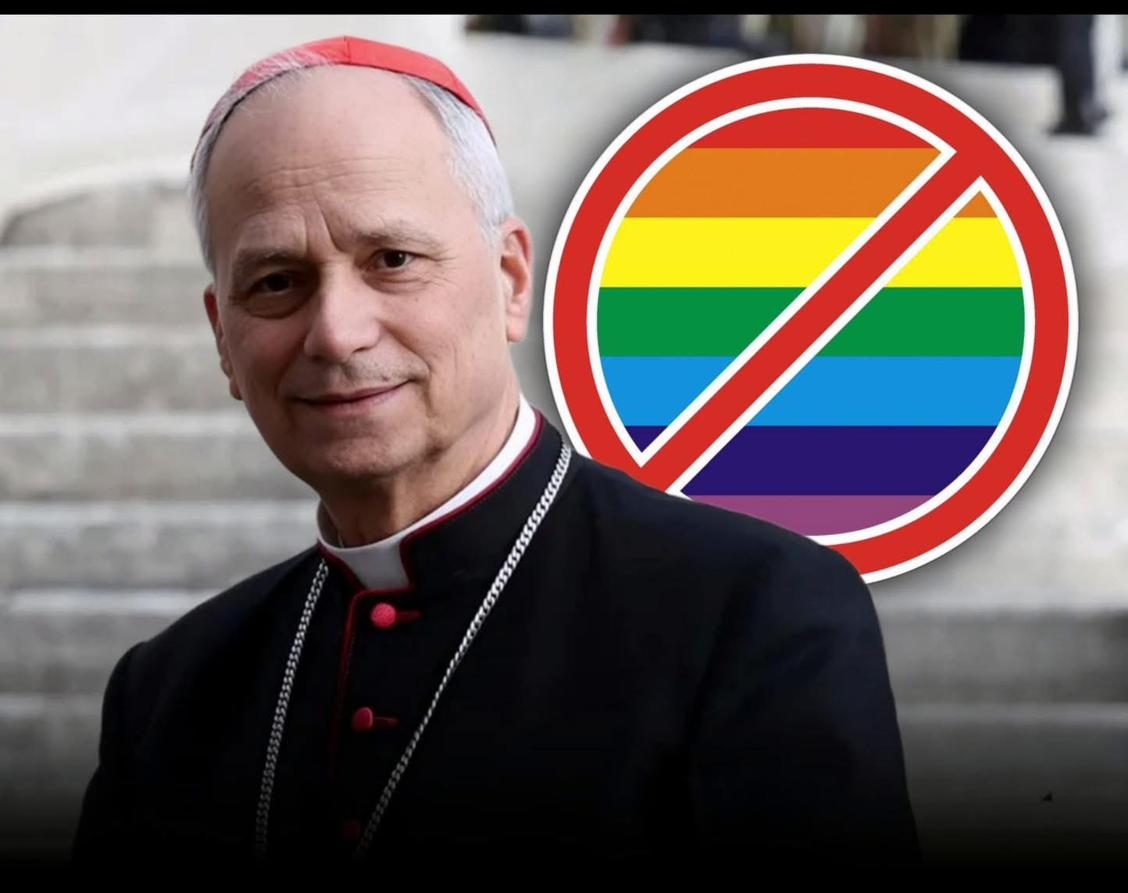
Pope Leo XIV has reaffirmed the Catholic Church’s traditional teaching on marriage, signaling that same-sex unions will not receive blessings as marriages under the new pontificate. The development has drawn close attention from Catholics and Christians worldwide, not least because it suggests doctrinal continuity on one of the most contested issues in modern church life.
The pope’s early remarks have emphasized that the family is founded on “the stable union between a man and a woman,” language that leaves little doubt about where he stands on the Church’s definition of marriage. That message is especially significant because it comes at the outset of his papacy, when many observers were watching for any sign of a major shift in Rome.
Continuity From The Start
For Catholics, the issue reaches beyond public policy or cultural debate. It touches the Church’s understanding of sacramental marriage, creation, and pastoral care. Leo XIV’s comments align with the longstanding Catholic position that marriage is reserved for one man and one woman, open to life and rooted in the Church’s reading of Scripture and tradition.
The distinction now being emphasized in Vatican circles is a careful one. The Church’s current approach allows pastoral blessings for individuals in same-sex relationships, but not blessings that would imply approval of the relationship as a same-sex marriage or union. That line preserves a limit many Catholics see as essential, even as it leaves room for personal pastoral care.
That difference matters. In Catholic theology, a blessing can be a prayerful act of care without becoming a sacramental endorsement of a relationship. The pope’s continued adherence to that distinction suggests that the Church intends to hold onto both pastoral sensitivity and doctrinal boundaries.
Francis’s Legacy And The Current Policy
The latest reporting also points to continuity with the guidance introduced under Pope Francis in 2023, when the Vatican opened the door to non-liturgical blessings for individuals in irregular situations, while still rejecting any blessing that would resemble marriage recognition. Under Leo XIV, Vatican doctrine leadership has indicated that this policy will remain in place for now.
That stance places the new pope within a familiar Catholic framework, rather than on a path toward immediate reform. It also suggests that any doctrinal change on sexuality and marriage is very unlikely in the near future. For church leaders in many parts of the world, that will come as a sign of stability after years of confusion over how pastoral language might develop.
At the same time, the continued policy leaves a delicate pastoral challenge unresolved. Many priests and bishops must still navigate the tension between personal accompaniment and doctrinal clarity, especially in places where same-sex relationships are a common source of family conflict, church division, and public debate.
What The Vatican Is Signaling
Leo XIV’s remarks appear intended to communicate steadiness rather than surprise. He has not reversed Catholic teaching on marriage, and there is no official Vatican move toward altering the current position. Instead, the message from Rome points to a continuation of existing practice with little appetite for a dramatic turn.
The Church’s teaching on marriage has long been tied to Genesis and the words of Jesus in the Gospels. In Matthew 19, Jesus points back to creation, saying, “Therefore a man shall leave his father and his mother and hold fast to his wife, and the two shall become one flesh” (ESV). For many Catholics, that passage remains central to the entire discussion.
Across Christian traditions, the question has become one of the sharpest tests of biblical authority, pastoral practice, and institutional identity. Mainline Protestant bodies remain divided, with some blessing same-sex marriages and others refusing to do so. The Roman Catholic Church, however, has held its traditional definition of marriage firmly, and Leo XIV now appears committed to maintaining that line.
Church, Culture, And Global Attention
His position is likely to be welcomed by many orthodox Catholics who wanted clarity from the new pope after a period of public uncertainty. For those believers, the focus on doctrinal continuity is not merely institutional caution. It reflects a conviction that the Church does not change divine teaching in response to cultural pressure.
Others within the Catholic fold may view the moment with disappointment, especially those who had hoped for broader recognition of same-sex relationships. Even so, the current policy still leaves room for pastoral attention to individuals, a point that has become increasingly important in Catholic parish life and family ministry.
Christian leaders outside Rome are also watching closely. The Vatican’s approach often shapes wider conversations about marriage, human dignity, repentance, and pastoral care. When the pope speaks on these matters, the ripple effects reach dioceses, seminaries, and local congregations across the world.
Why The Distinction Still Matters
At the heart of the present policy is a distinction that the Church believes protects both truth and mercy. Blessing a person is not the same as blessing a relationship as morally or sacramentally right. Leo XIV’s continuity with that line indicates that the Vatican is not preparing to blur that boundary.
For many Christians, the debate has always turned on whether compassion requires doctrinal change. The Catholic answer under Leo XIV appears to remain no. Compassion, in this framework, comes through pastoral care, prayer, and accompaniment, while marriage itself remains defined by creation order and sacramental teaching.
It is worth pausing on that. In a religious landscape where institutions often shift quickly with public opinion, Rome’s choice to maintain continuity will strike many as both predictable and consequential.
What happens next inside the Vatican will likely be measured rather than dramatic. For now, Pope Leo XIV has made his position clear enough: the Church’s teaching on same-sex marriage remains unchanged, blessings for same-sex unions as unions remain off the table, and the conversation will continue within the bounds of current Catholic doctrine.
In the months ahead, that steadiness may prove just as consequential as reform, because in the life of the Church, continuity itself can be a message.